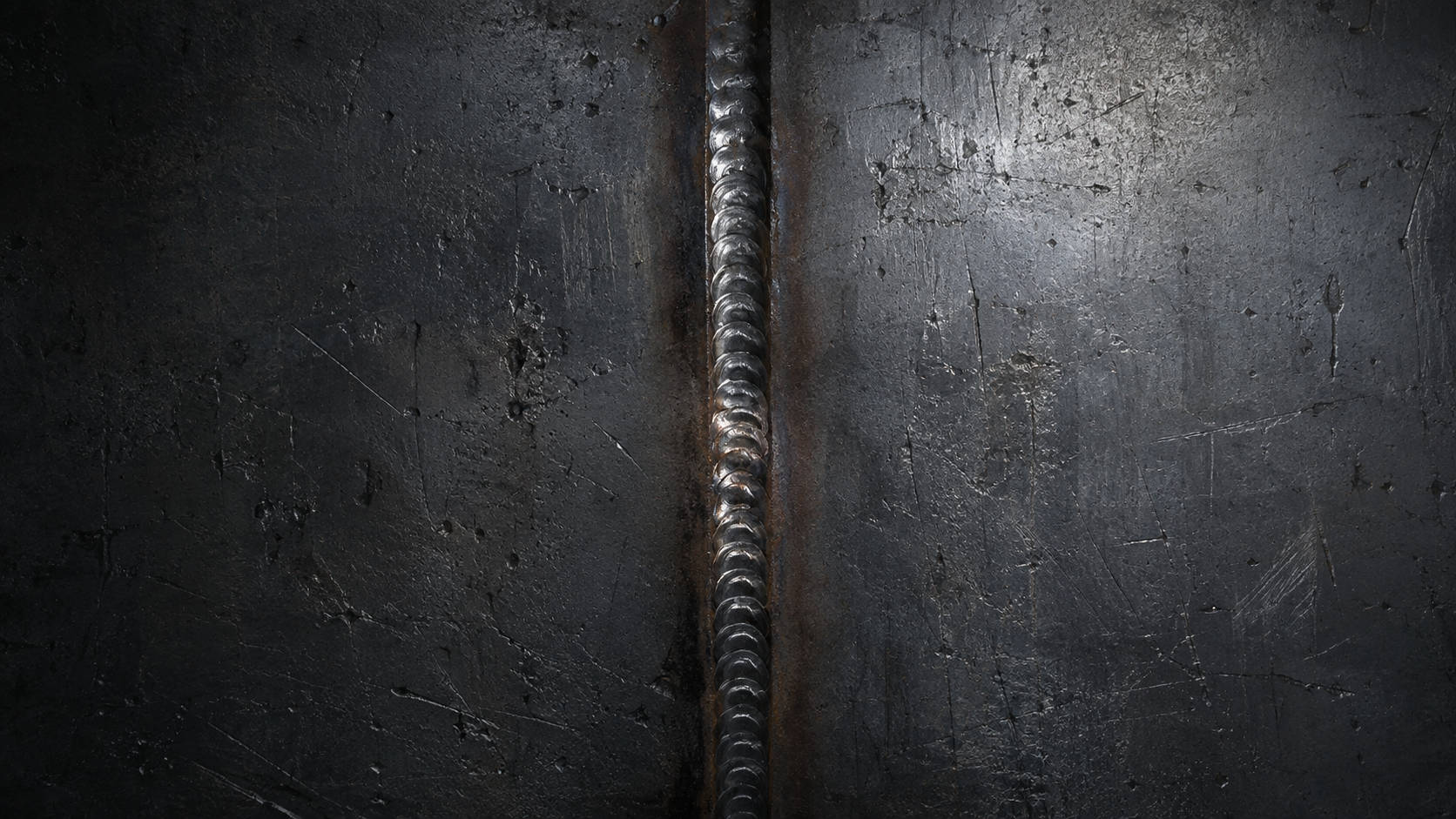
Certified to the heat
Mill test reports, chemical analysis and tensile data issued per lot — not per shipment, not per year.
01Premium welding & metal supply
Mill-certified copper, copper nickel, brass and bronze — cut to size, certified to the heat, out the same week.
Welding & metal stock
Pick a range to see everything in it, with the grades, sizes and certification for each line — or send a drawing and we will identify what you need and quote it.
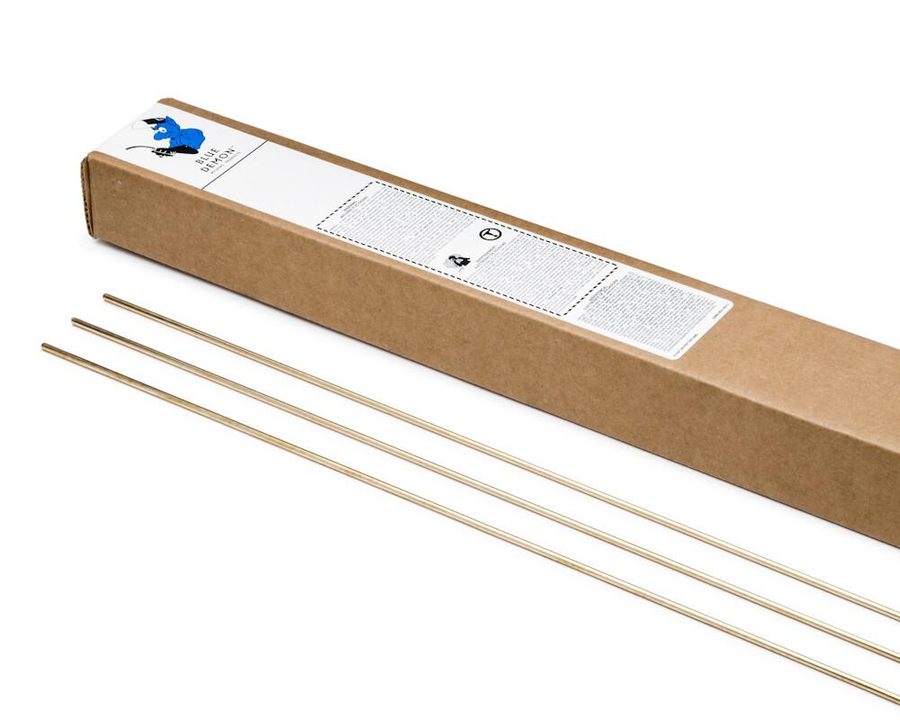 16 lines
Welding consumables
TIG and gas rods, spooled MIG wire, coated electrodes and brazing alloys.
Silicon Bronze TIG Rod, Deoxidised Copper Rod, Aluminium Bronze Rod…
Browse welding consumables
16 lines
Welding consumables
TIG and gas rods, spooled MIG wire, coated electrodes and brazing alloys.
Silicon Bronze TIG Rod, Deoxidised Copper Rod, Aluminium Bronze Rod…
Browse welding consumables
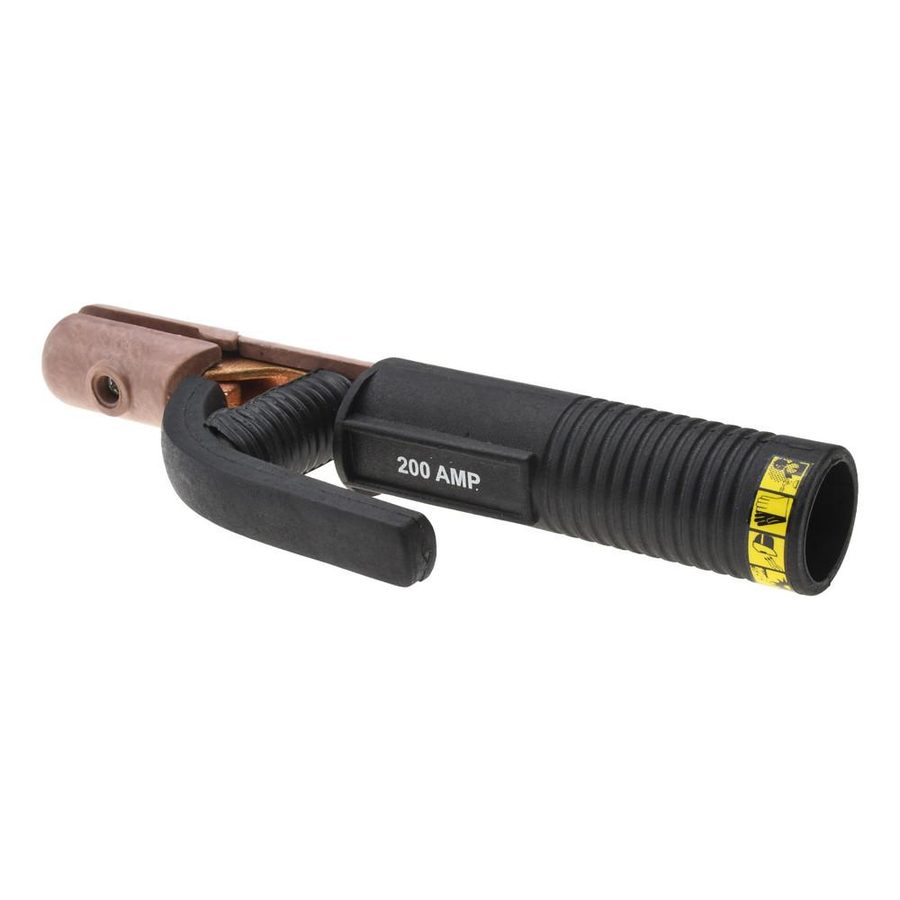 6 lines
Cutting & torch gear
Gouging carbons, cutting nozzles, plasma consumables, torches and clamps.
Gouging Carbon Electrodes, Oxy-Fuel Cutting Nozzles, Plasma Cutting Consumables…
Browse cutting & torch gear
6 lines
Cutting & torch gear
Gouging carbons, cutting nozzles, plasma consumables, torches and clamps.
Gouging Carbon Electrodes, Oxy-Fuel Cutting Nozzles, Plasma Cutting Consumables…
Browse cutting & torch gear
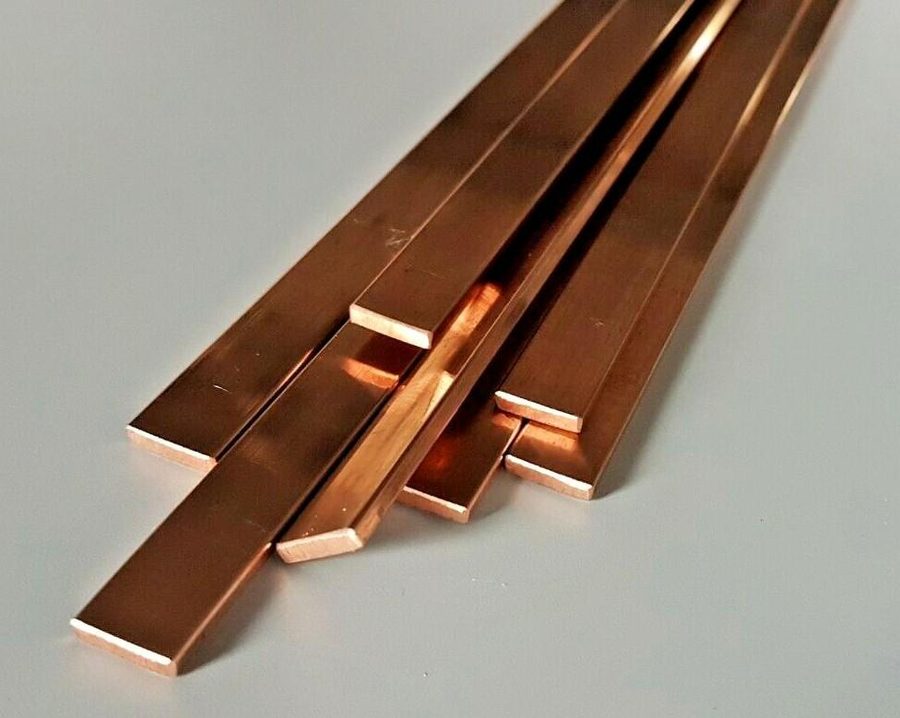 16 lines
Copper stock
Bar, busbar, tube, pipe, sheet, plate and extruded section.
Copper Round Bar, Copper Square Bar, Copper Flat Bar & Busbar…
Browse copper stock
16 lines
Copper stock
Bar, busbar, tube, pipe, sheet, plate and extruded section.
Copper Round Bar, Copper Square Bar, Copper Flat Bar & Busbar…
Browse copper stock
 5 lines
Alloy & specialist
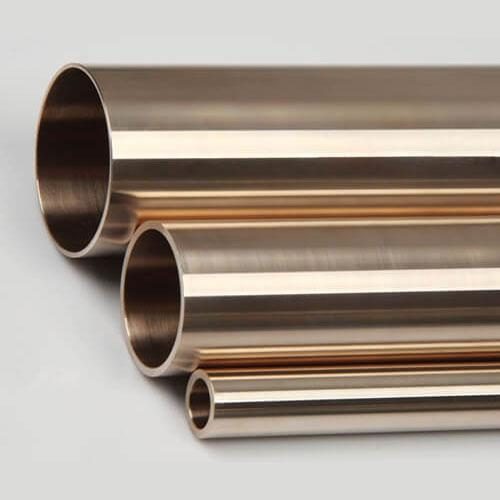
Copper nickel for marine service, plus stainless bar and tube.
Copper Nickel 90/10 Tube, Copper Nickel 70/30 Tube, Copper Nickel Pipe Fittings…
Browse alloy & specialist
5 lines
Alloy & specialist
Copper nickel for marine service, plus stainless bar and tube.
Copper Nickel 90/10 Tube, Copper Nickel 70/30 Tube, Copper Nickel Pipe Fittings…
Browse alloy & specialist
Cannot see what you need? Tell us the spec — we source outside the standing range daily.
Why buyers consolidate here
Every line item ships against a reserved heat lot with documentation attached before the material leaves the floor.
Mill test reports, chemical analysis and tensile data issued per lot — not per shipment, not per year.
01Own transport plus dedicated pallet and flatbed lanes from three regional yards. Banded and moisture-barriered.
02Sawing, shearing, punching, drilling, bending and tinning in-house — so it arrives ready to fit.
03Send a drawing, a spec callout or a part number. A materials engineer answers — same day.
04Documentation
Receiving inspection should take minutes. Every lot arrives with its full document package barcoded to the outer wrap, plus a duplicate set emailed on dispatch.
How an order runs
A drawing, an alloy designation, a competitor part number or a photo of the offcut. Any of it is enough to start.
A materials engineer confirms grade, temper and tolerance — then prices it against live stock.
Your heat is pulled, tagged and sawn to size. Mill cert, CoC and origin statement are raised against your PO revision.
Banded, moisture-barriered, barcoded. Tracking and the scanned document set land in your inbox at dispatch.
From the floor
We were losing two days a month chasing mill certs. Buy Hub Weld attaches them to the wrap. Goods-in inspection went from an afternoon to eleven minutes.
They spotted that drawn C101 would hold tolerance where our old supplier kept sending cast. Nobody else asked what we were machining.
Eleven pallets of busbar a quarter on a blanket PO, drilled to our centres, never a short ship. That is the entire review.
Questions from procurement
Anything not covered here, a materials engineer will answer by phone in one call.
Between 15 and 50 boxes, depending on the product and the delivery location. Fast-moving consumables we hold in depth start at 15; heavier lines and longer freight lanes sit nearer 50. The exact figure is stated on your quote before you commit to anything.
Conversion cost plus the LME copper settlement averaged over the prior five sessions, restated Mondays at 09:00. The formula is printed on every quote, so you can audit it against the exchange yourself.
Yes, above roughly five tonnes annual usage. We place the stock, you draw against it, and we invoice monthly on consumption with a cycle count each quarter.
For most classes, yes. Melt and manufacture origin is stated on the certificate of conformance. Flag the requirement on the RFQ and we will only quote compliant heats.
Three to five weeks for a mill run, depending on alloy and section. We will usually propose a stocked adjacent size with the machining allowance worked out, so you can decide whether waiting is worth it.
Uncut, undamaged stock items return within 90 days at full credit less carriage. Mill-run and cut-to-length items are non-returnable, and we say so on the quote before you release it.
Request a bulk quote
Business hours, 07:00–18:00. Include the grade or just the application — either works. We will tell you if a cheaper alloy does the same job.